Portugal captivates travelers with its dramatic Atlantic coastlines, vibrant cities, quaint villages, and endless opportunities for cultural immersion, outdoor adventure, and culinary indulgence. As more people discover Portugal’s charms, its tourism continues rising dramatically. While this confirms Portugal as an emerging jewel of Europe, increased popularity brings greater crowds to famous sights and infrastructure struggling to accommodate the masses.
We set out to create an honest insider’s guide highlighting the top 25 destinations across Portugal while keeping expectations realistic. When brainstorming our list, we first compiled all the iconic staples along with hidden gems only insiders might know. Then, we held an open discussion sharing candid impressions from our editorial team’s collective travel experiences in Portugal. Beyond raving about beautiful sunsets and dazzling sights, we also aired frustrations over finding crowded conditions, accessibility challenges, weather dependence, and other practical limitations.
Ultimately, we aimed to portray the most spectacular, culturally significant, and quintessentially Portuguese places spanning the country’s diverse offering. However, we balance the allure with transparent insight into each destination’s realities on the ground. While some spots rightfully earn reputations as Europe’s most beautiful, accessing that beauty, especially in peak seasons, requires navigating downsides from large numbers of tourists to limited infrastructure. By setting proper expectations, we hope travelers can better plan successful trips fully appreciating Portugal’s many wonders while avoiding common pitfalls.
If you’re seeking only picture-perfect sights, Portugal awaits to delight. But for those wanting the complete travel experience – beauty, wonder, frustration and revelation – then read on for an unvarnished insider’s guide to savoring this captivating country at its vivid best.
1. Sete Cidades, São Miguel Island, Azores
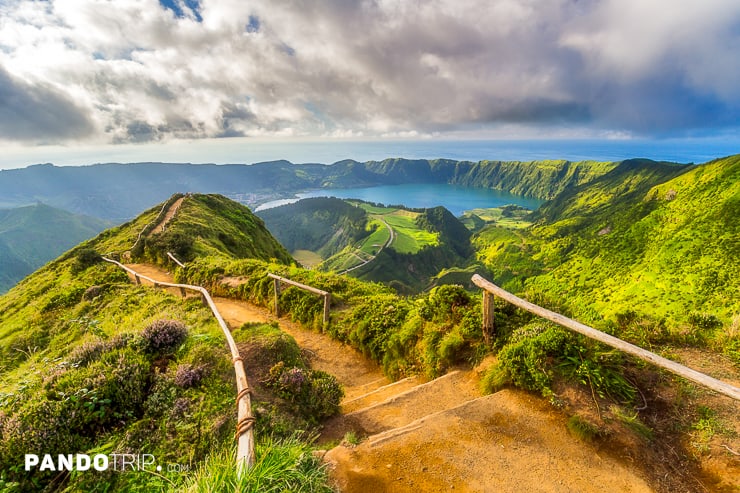
The volcanic crater lakes of Sete Cidades on São Miguel Island have become one of the Azores’ most iconic and photographed natural landmarks. Comprised of two interconnected lakes – one appearing blue, the other green – Sete Cidades offers travelers picture-perfect vistas from several overlook points.
However, the popularity of Sete Cidades means that it can get crowded, particularly at the two main lookout points – Vista do Rei and Boca do Inferno. These spots are known for their breathtaking views but can feel overrun with tourists during peak times. The hiking trails, especially the popular path encircling the crater, also tend to get busy, which can detract from the tranquil nature experience many seek here.
Another challenge is the area’s unpredictable weather. Due to the caldera location, Sete Cidades is prone to fog which can obscure views of the lakes. This means that timing your visit can be a bit of a gamble. On a clear day, the views are unparalleled, but on a foggy day, you might find the lakes completely hidden.
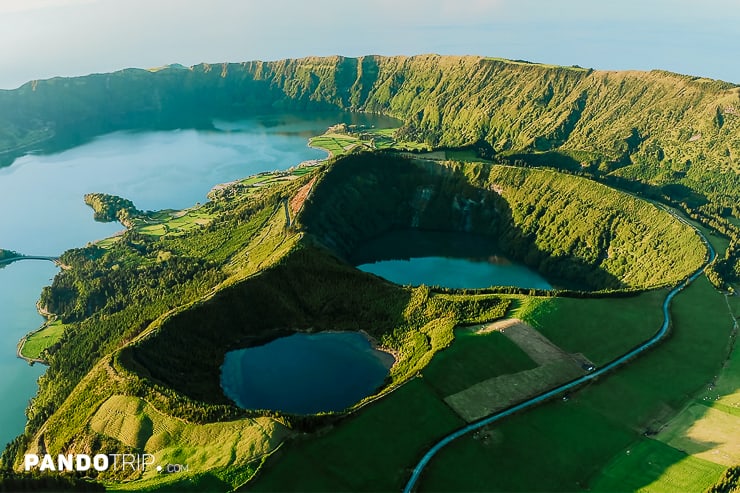
Despite these issues, Sete Cidades remains one of the most stunning places in Portugal. To escape the crowds, consider exploring lesser-known roads and trails around the caldera. Quieter overlook points like Miradouro das Cumeeiras and Miradouro do Cerrado das Freiras offer alternative perspectives of the landscape. Additionally, Lagoa do Canário, though smaller than the main lakes, provides a more peaceful setting and is typically less crowded. With a bit of planning and weather luck, Sete Cidades can reveal the unique and awe-inspiring beauty of the Azores.
2. The Douro Valley
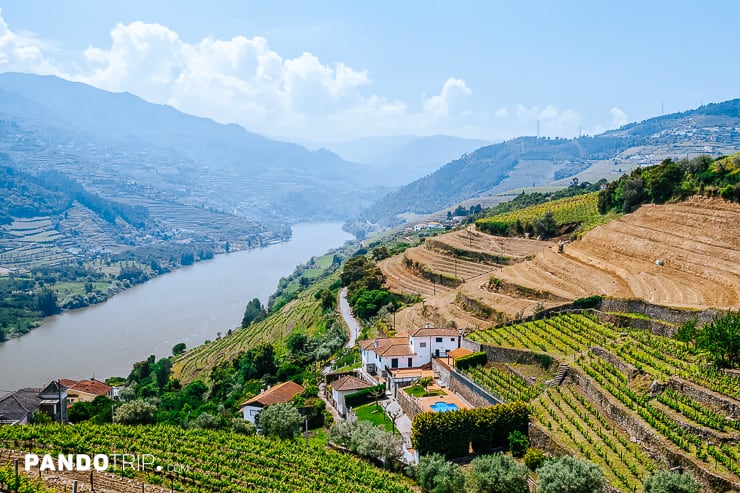
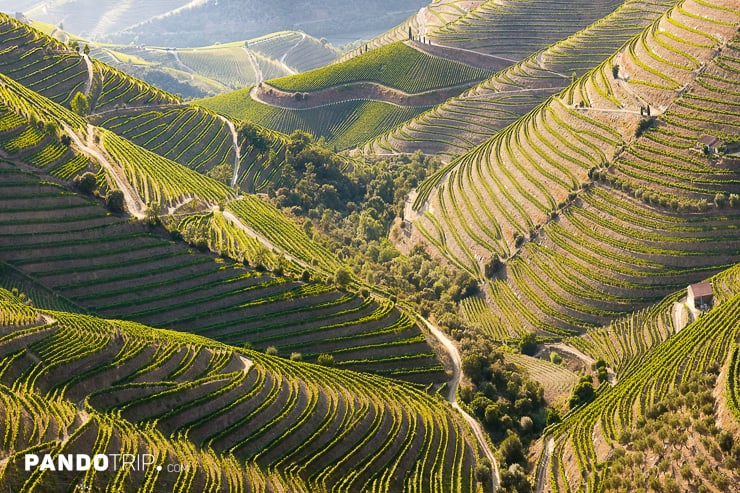
Stretching east from Porto to the Spanish border, the Douro Valley is home to one of the world’s oldest demarcated wine regions. The valley, which extends along the Douro River for about 250 km, is known for its picturesque rolling hills lined with terraced vineyards, making it one of the most beautiful wine regions on Earth.
For wine enthusiasts, the valley captivates with its iconic quintas (wine estates) dotting the hillsides along the river. Wine tours and tastings are plentiful, offering a deep dive into the region’s winemaking traditions and a chance to sample some of Portugal’s finest vintages.
The scenery along the Douro is stunning, with vineyards providing stunning photo opportunities. A boat trip along the river provides epic vineyard views, while hiking trails from riverside villages to hilltop viewpoints cater to those seeking an active exploration of the region’s slopes and gorges. Admirers of the landscape should stop at viewpoints like São Leonardo da Galafura, Casal de Loivos, and São Salvador do Mundo.
However, the popularity of the Douro Valley poses some drawbacks. It gets quite crowded, especially during the September-October grape harvest when making reservations can be difficult. The valley is also not a budget-friendly destination; expenses for wine tastings, tours, hotels, and restaurants can add up, particularly in luxury areas. To avoid inconveniences, consider visiting during the off-season – you’ll miss the harvest fervor but encounter fewer tourists and take advantage of cheaper prices on accommodations and tours.
Planning your trip also requires some forethought. Driving offers flexibility despite the winding, narrow local roads. River cruises and train routes allow epic scenery but limit accessible wineries. And you’ll need to research tours, tastings, and lodging that match your interests and budget.
In the end, the Douro Valley’s beauty and wine immersion make it well worth a visit. Travelers just need to plan around the potential inconveniences to fully savor the tastes and sights of this renowned region.
3. Cabo de San Vicente, Algarve
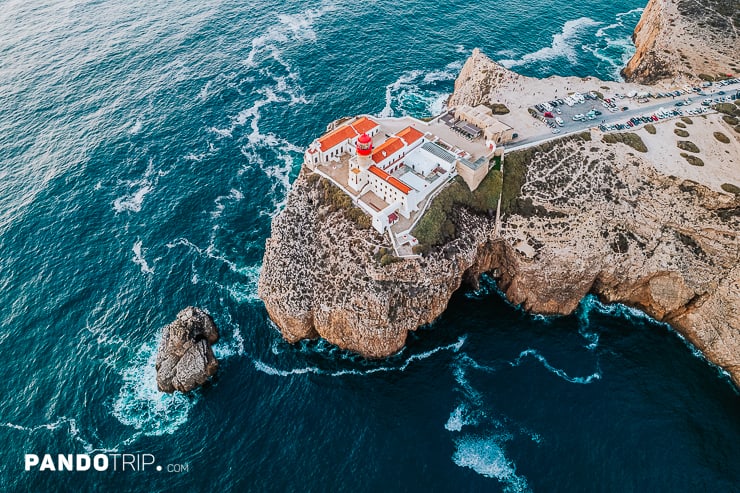
Portugal boasts two significant geographical points: Cabo de San Vicente and Cabo da Roca. While both are included in our top 25 list, we prefer Cabo de San Vicente for its rugged authenticity and lower visitor counts. Unlike the more heavily touristed Cabo da Roca, Cabo de San Vicente delivers a more tangible “end of the world” vibe.
Located on Portugal’s southwestern tip, Cabo de San Vicente offers panoramic cliffside views of the Atlantic Ocean. On a clear day, you can gaze out at the seemingly endless sea and understand why ancient mariners once believed this cape marked civilization’s edge. The landscape is windswept and rocky, with a lighthouse standing sentinel above the crashing waves some 75 meters (250 feet) below. Several groups of birds fly around and nest among the cliffs—it all feels pleasantly remote.
This spot is not just a geographical wonder; it’s steeped in history, being a significant site for sailors and explorers throughout the ages. The lighthouse, built in 1846, is one of the most powerful in Portugal and can be seen from 60 miles out at sea. It was the last piece of home that Portuguese sailors saw as they ventured into the unknown during the Age of Discoveries.
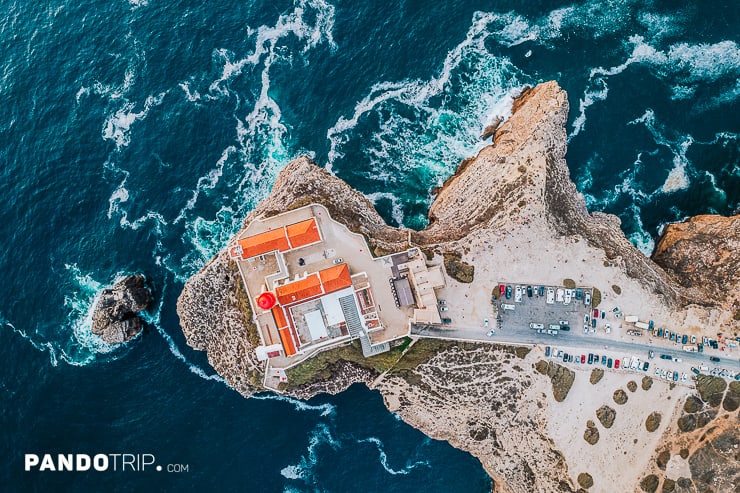
However, while it’s less crowded compared to Cabo da Roca, it still draws its fair share of visitors, especially just before sunset. The sun setting on the Atlantic Ocean not only creates a spectacular sight but also attracts crowds of people who want to enjoy it. The area’s rugged nature means it can get quite windy, which might be uncomfortable for some, but it also adds to the raw, natural experience of the place.
Yet history and scenic splendor buffs will appreciate what Cabo de San Vicente symbolizes—not just the edge of Europe but the gateway for many explorers and pilgrims journeying unknown seas. Standing atop those wind-blasted cliffs evokes a vivid sense of the mysteries and dangers those wayfarers faced sailing beyond the “end of the world” into legend and lore.
4. Cabo da Roca, Sintra
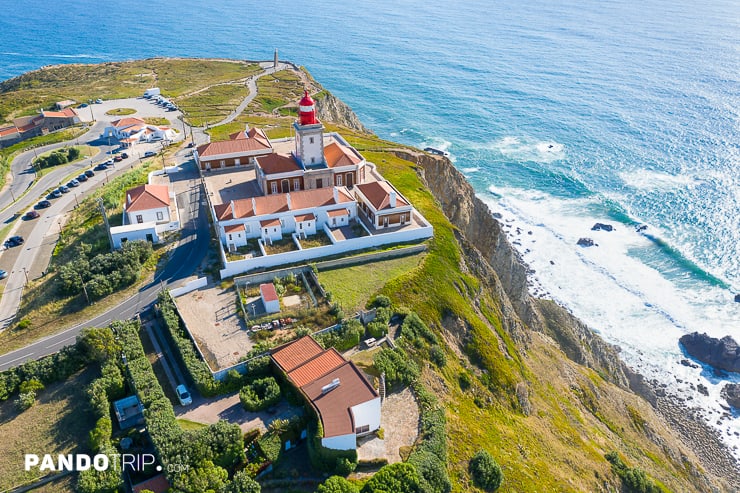
Cabo da Roca is the more popular and tourist-friendly of Portugal’s two great capes. As mainland Europe’s westernmost point, this windswept cape attracts flocks of visitors eager to stand at the edge of the continent and gaze out at the endless Atlantic Ocean.
From the parking area, a short paved walking path leads to an official monument demarcating the westernmost point of continental Europe. The cape is marked by a stone monument with an inscription from Portugal’s most famous poet, Luís de Camões, describing the area as “Where the land ends and the sea begins.”
History buffs will be pleased to know that the Cabo da Roca Lighthouse is one of the oldest lighthouses in Portugal. It started operation in 1772, escorting Portuguese maritime explorers into unknown waters. For travelers less interested in history, time will pass pleasantly watching the force of the wind and waves crashing against the 150-meter (490 ft) high cliffs.
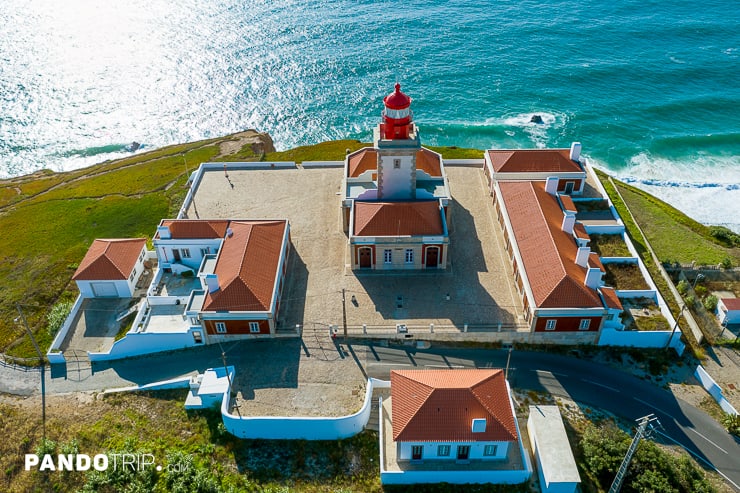
Unlike Cabo de São Vicente, Cabo da Roca is more accessible and consequently, more crowded. Its proximity to Lisbon makes it an easy day trip for those staying in the capital. Many visitors also come from Sintra, often as part of coach tours between Sintra and Cascais. While Cabo da Roca gets crowded with bus tours, there is usually some space to spread out and enjoy the views as most tours only spend about 20 minutes here.
Of course, Cabo de São Vicente better rewards those seeking timeless coastal splendor rather than touring a human-designated “edge of Europe.” But history buffs will still appreciate glimpsing what once seemingly marked the abyss into parts unknown, before we conquered the earth’s bounds with technology and maps.
5. Vila Franca Islet, São Miguel Island, Azores
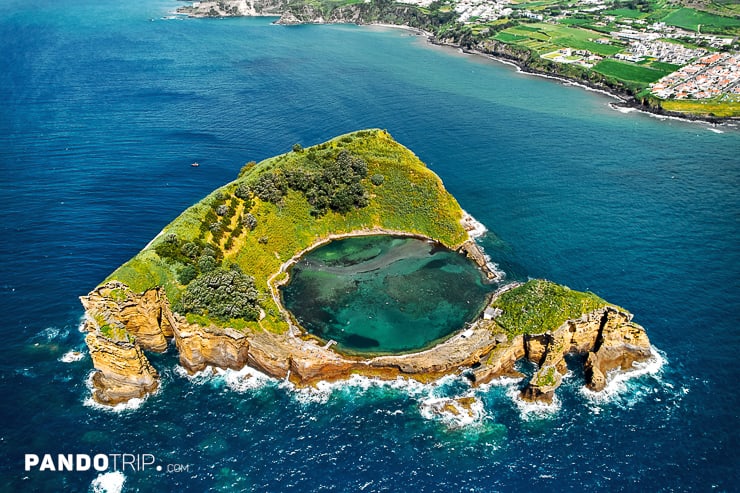
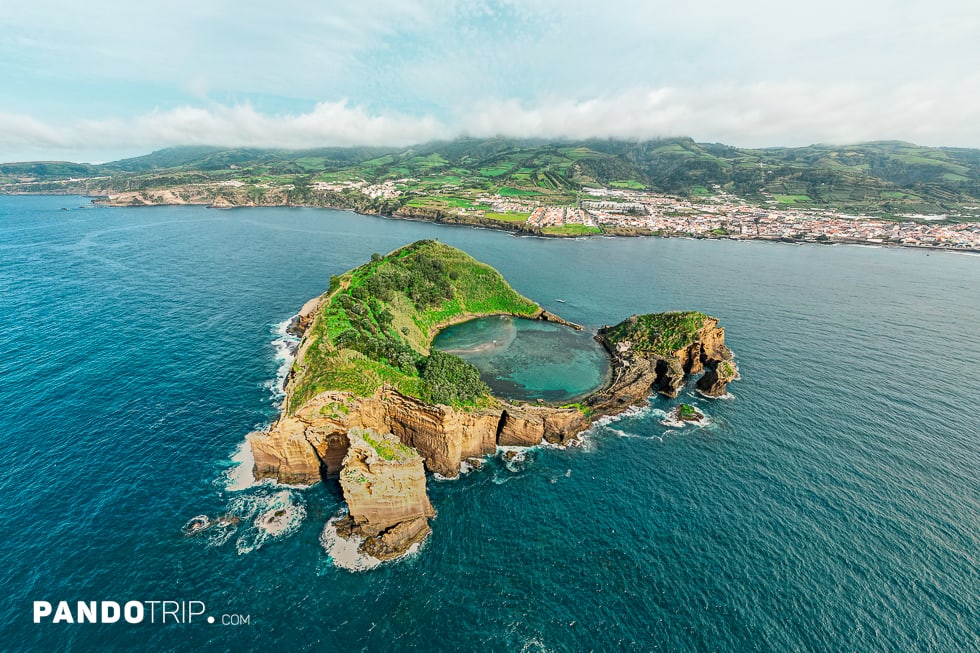
Floating just offshore from São Miguel Island, the tiny Vila Franca Islet, nicknamed the “Princess Ring” for its circular shape, perfectly blends natural beauty with outdoor adventure. The rugged volcanic rock contrasts beautifully against the azure ocean, making this a instagramable destination.
Formed by an ancient, submerged volcanic crater, the islet’s famous lagoon provides a sheltered spot for swimming and snorkeling in clear, calm waters. Venturing beyond the lagoon rewards visitors with scenic hiking trails circling the islet perimeter. While a small area is off limits, trails wrap around nearly the entire landmass. For panoramic views, head to the viewpoint overlooking the islet and village of Vila Franca do Campo beyond.
The islet also attracts thrill-seekers to its cliffs. Until 2019 Vila France was a regular stop Red Bull Cliff Diving World Championship.
Visiting this island paradise has its challenges, namely the 400 daily visitor cap. Only 200 guests can be on the islet simultaneously. Arrive early to line up for boat tickets, which sell unpredictably until the daily quota is reached. Pre-booking online helps, but limited tickets sell out fast.
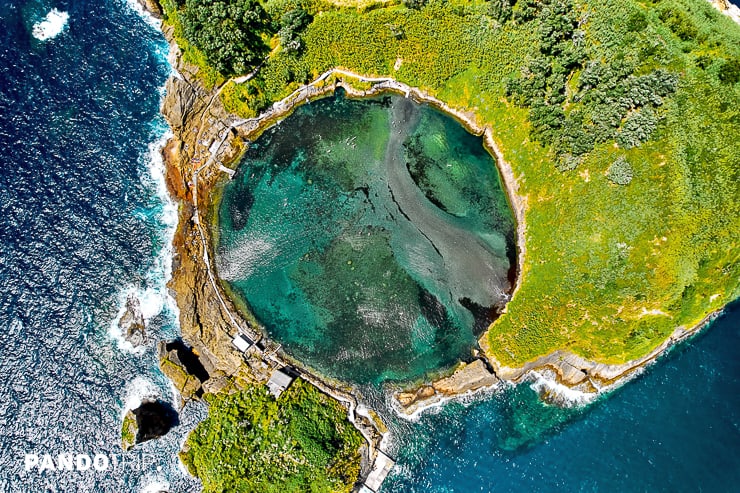
Additionally, there are no services on Vila Franca. Visitors must pack food, drinks, and anything else they may need during their stay. Have lunch on the islet, since many people arrive in the morning and leave before the midday meal when queues become quite long. With more visitors looking to depart than the boat capacity allows, waits can be frustrating.
Ultimately, striking vistas and old-world charm outweigh logistical hurdles. Proper planning is key – secure tickets early, come well-supplied, and immerse yourself in the islet’s natural splendor.
6. Peneda-Gerês National Park
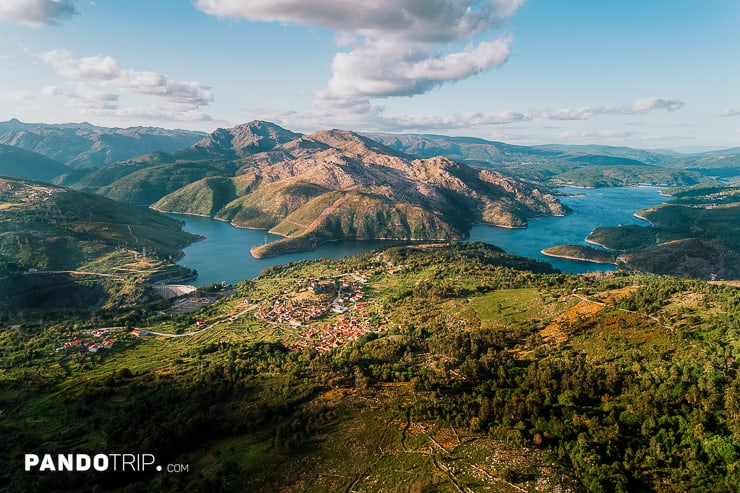
Against the backdrop of granite peaks and rolling hillsides lies Portugal’s only national park, the leafy paradise of Peneda-Gerês. Despite its relatively close proximity to Porto (only a 90 minute drive), the park remains off the radar for most foreign tourists. But for those looking to venture beyond the typical tourist haunts, Peneda-Gerês offers a chance to experience unspoiled Portuguese countryside at its finest.
Outdoors enthusiasts will find plenty to occupy their time amongst the park’s lush forests and meandering streams. Weaving through sleepy villages, it sometimes feels like you stumbled onto the set of a period film, with farmers using traditional ox carts. But you’ll quickly be transported back to the 21st century when you struggle to get cell service on parts of the trails. Having offline maps on your phone is therefore highly recommended.
Tucked amongst oak, willow and alder groves are gushing waterfalls like the Cascade do Arado and Tahiti Waterfall. Deer, wolves, foxes and the famous Garrano ponies are just some of the wildlife that call Peneda-Gerês home. To take in panoramic views of the park’s vast wilderness, head to one of the viewpoints – Pedra Bela Viewpoint is perhaps the most famous, situated at an altitude of about 800 meters.
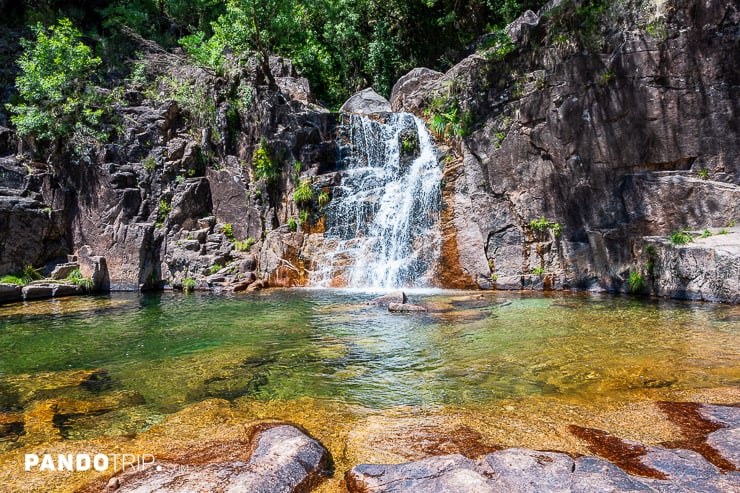
The lack of public transport makes it challenging to explore Peneda-Gerês without your own wheels. Trip planning also takes significant time and effort– choosing which trails to hike and sites to visit is no easy feat. Moreover, while it’s possible to visit on a long day trip from Porto, realistically you need more time to truly immerse yourself in the area’s natural splendor. Plan on at least 2-3 days to make the journey up to this northern region worthwhile. And be sure to download those offline maps – no one likes getting lost in a fairytale forest!
7. Pena Palace, Sintra
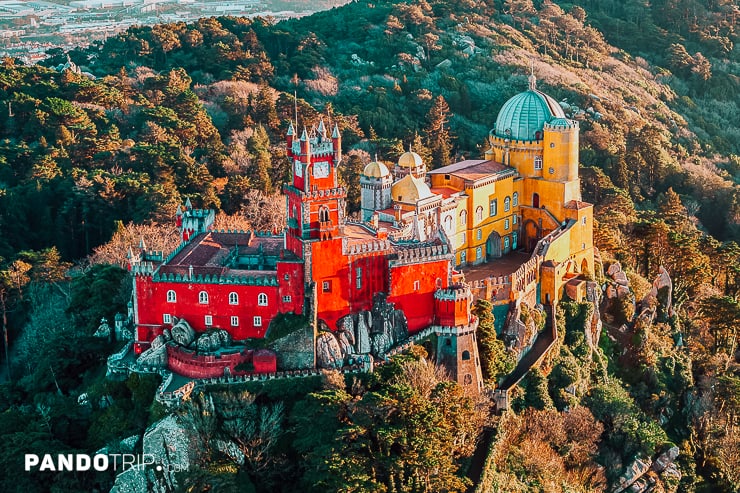
Pena Palace is the wildly colorful, Disney-esque castle perched on a Sintra hilltop. It’s famous for its eclectic mix of architectural styles and vividly painted exterior. Originally a monastery, it was transformed into an extravagant royal palace and summer residence during the 19th century.
Inside, the ornate rooms showcase a blend of styles as you climb up ramparts and narrow stairwells, from Arabian motifs to Gothic arches to stained glass windows. The real highlight, however, is the exterior with its panoramic views of the surrounding countryside – a view that’s hard to beat. The surrounding park, with walking paths and exotic plants, is also scenic.
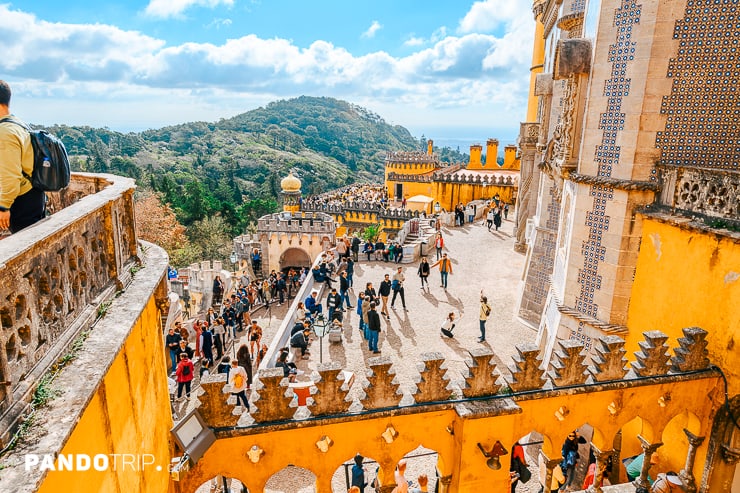
Be warned that the palace gets absolutely mobbed with tourists daily. Don’t expect a peaceful palace visit – it’s more of a sightseeing madhouse. If you go, take the Santa Maria Trail up to the entrance rather than the crowded shuttle bus. That way you can enjoy fresh air and nice Sintra views before plunging into the chaos. Allow at least half a day to properly see Pena. If skipping the interior to avoid traffic jams and long lines, it’s still worth stopping for the striking exterior facade – just aim for early or late to beat some crowds.
8. Monsanto village, Castelo Branco
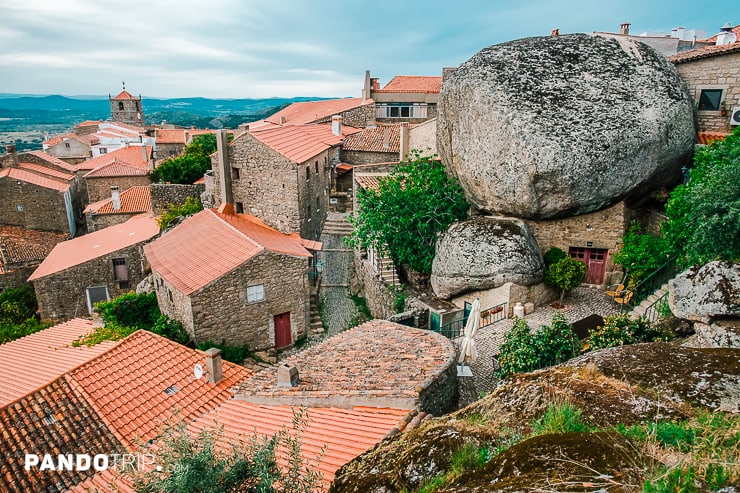
Nicknamed the “Most Portuguese Village in Portugal,” Monsanto clings to a hillside in the Beira Baixa region. The stone houses seem to grow out of the boulders themselves, showcasing the village’s unique adaptation to the challenging terrain. This geological curiosity prompts many travelers to declare Monsanto one of Portugal’s most unique villages.
Monsanto lies close to the Spanish border and is not the most convenient place to reach from major cities like Porto or Lisbon. It would take over three hours to drive there, and public transport options are extremely limited.
The village is quite popular among tourists. The narrow cobblestone streets quickly fill with visitors, especially since its recent feature in the popular TV series “House of Dragons,” which has significantly boosted tourism.
Yet, the village regains its tranquility in the evenings once most of the day-trippers depart. For those wishing to extend their stay, accommodation options are limited, with just a few small hotels and holiday rentals available in the village itself. More choices can be found in nearby towns.
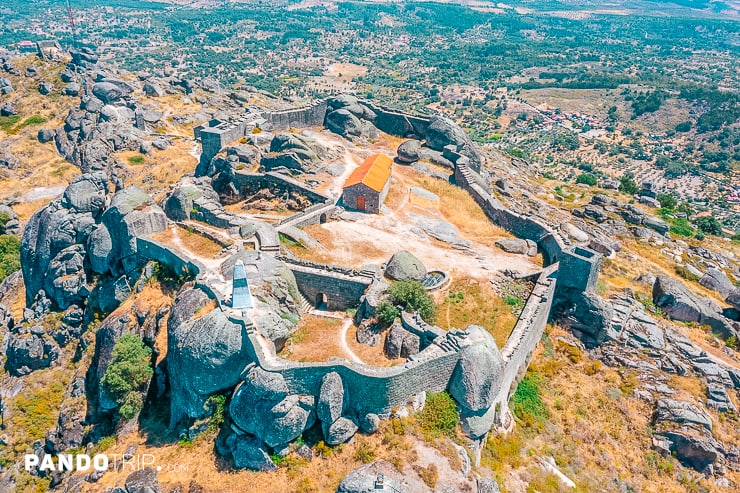
For travelers interested in photography or architecture, Monsanto is an ideal destination. Its blend of natural and human-made landscapes offers a glimpse into adaptive architecture. In terms of geologic novelty, this stone-walled oddity has few rivals across Portugal. However, aside from its photographic appeal and geological uniqueness, Monsanto might not hold prolonged interest for all travelers. Consider pairing time here with lively Idanha-a-Velha’s fado music performances or elevated history at Marialva’s medieval castle instead for a more varied travel experience.
9. Azenhas do Mar, Sintra
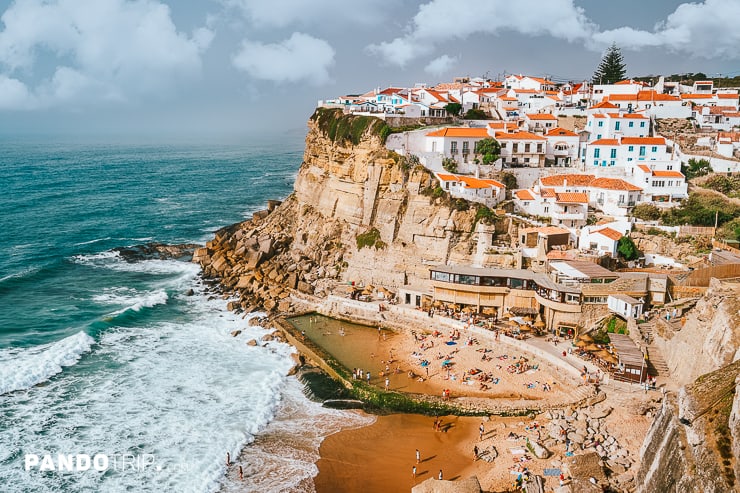
Nestled between the cerulean waters of the Atlantic and the rugged cliffs of the Sintra Mountains lies Azenhas do Mar, a former fishing village transformed into a summer retreat. With winding streets, generations-old homes, and cliffside trails, it offers an authentic alternative to the bustling resort towns dotting Portugal’s coast.
Azenhas do Mar emerged in the mid-20th century as an enclave for Lisbon’s wealthy families seeking refuge from the summer heat. Today most homes remain in families for generations, many with charming flower-strewn balconies overlooking the sea. The heart of the village lies in its narrow, zig-zag streets spilling down to a tiny beach where colorful fishing boats still haul in a daily catch.
Visitors can enjoy scenic views of the rocky coastline. For panoramic vistas of the village and the vast Atlantic Ocean beyond, head to the Miradouro das Azenhas do Mar lookout point. It’s the area’s most Instagrammable spot.
Azenhas do Mar boasts several popular beaches, including Praia das Azenhas do Mar, which has a tidal seawater pool replenished by the tides.
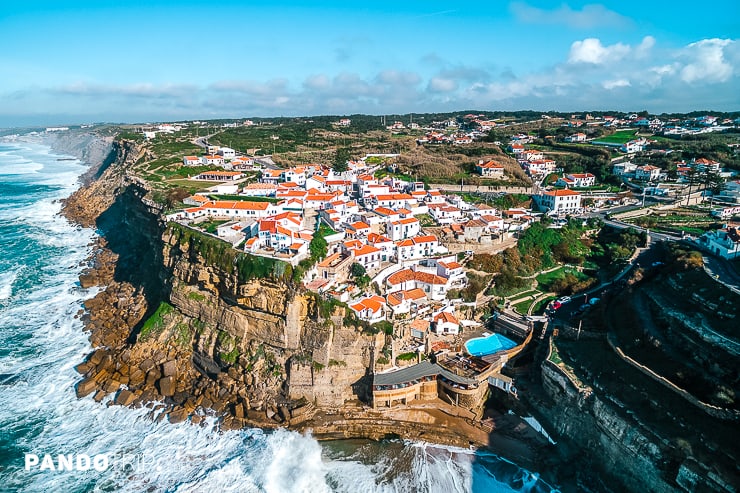
However, Azenhas do Mar transforms between seasons. In summer, the small village gets quite busy with tourists. Visit in shoulder seasons (May and September) for fewer crowds. If you’re interested in surfing, Azenhas do Mar’s winter waves create excellent conditions.
Azenhas do Mar’s convenient location near Lisbon and Sintra also makes it a great destination. It is close to other attractions on our list like Cabo da Roca and Pena Palace.
10. Ribeira District, Porto
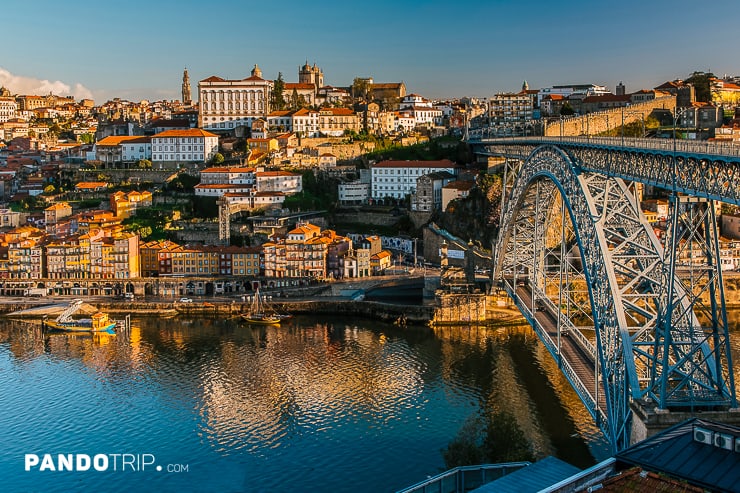
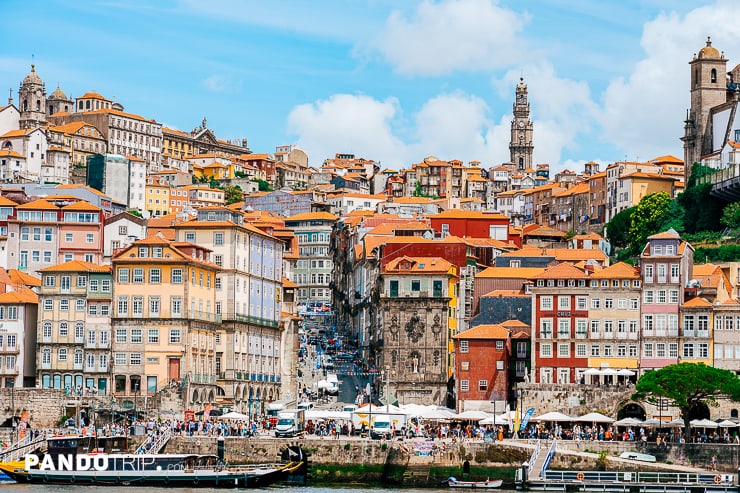
Stretching along the Douro River, Porto’s Ribeira district is known for its colorful row houses lining the waterfront. Historically, Ribeira played a crucial role in Porto’s development, especially in trade and commerce due to its riverside location. The district’s past is reflected in its medieval architecture, alongside baroque churches. The famous Dom Luis I Bridge, a stunning double-decker metal arch bridge, connects Ribeira to Vila Nova de Gaia, known for its port wine cellars.
Ribeira district attracts hordes of tourists aiming to take in the postcard views. However, it can feel uncomfortably crowded during peak times, with selfie-snapping visitors packing the narrow cobblestone streets.
The atmosphere changes at night. While daytime brings a mix of tourists and locals, evenings draw more locals and visitors interested in experiencing Porto’s nightlife and dining. Local restaurants unfold outdoor tables, strings of lights flicker on, and Fado music floats from various bars, lending Ribeira a more romantic, charming vibe.
However, several restaurants prioritize style over substance, with inflated prices and mediocre food compared to less Instagram-friendly options elsewhere in Porto. But for the iconic waterfront scenery – albeit crowded during the day – Ribeira remains an atmospheric district to explore for a few hours. Just don’t expect an off-the-beaten-path experience.


Comments (3)