
11. Quinta da Regaleira, Sintra
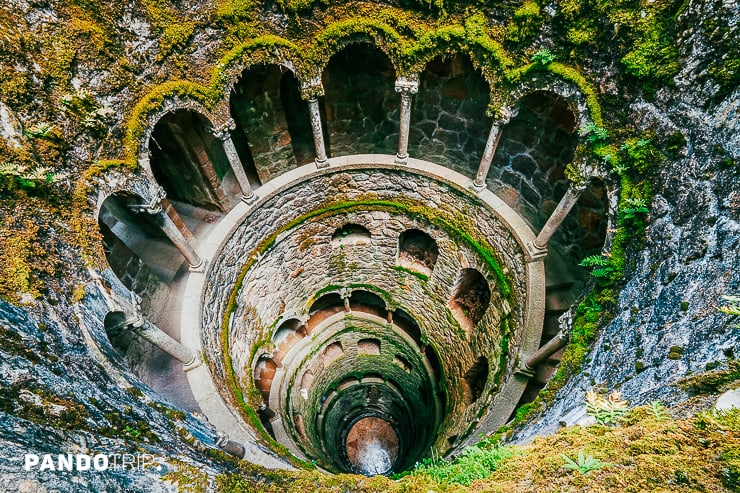
The sprawling Quinta da Regaleira estate is renowned for its ornate Gothic styling and elaborate grounds filled with symbolic carvings, secret passageways, and towers offering panoramic views over Sintra. It stands out as an ostentatious relic from the wealth that poured into Sintra in the 19th and 20th centuries when it became a hill station retreat for Portuguese royalty and aristocracy.
One of the site’s most unique features is the Initiation Wells, which are inverted towers plunging into the earth used for ceremonial purposes. These wells, along with the labyrinthine grottoes that connect them, offer an almost mystical exploration experience. However, this uniqueness can be a double-edged sword. The wells and grottoes are fascinating, but they can feel claustrophobic for some, especially during busier times when the narrow passages get crowded.
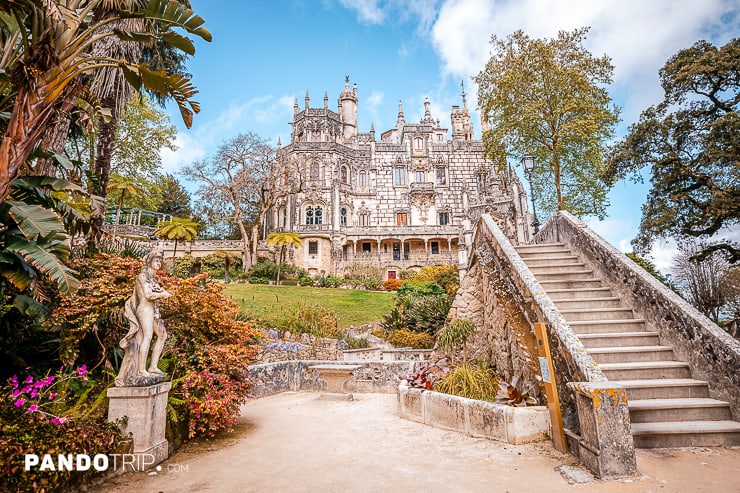
For travelers primarily seeking beautiful photo opportunities, Regaleira satisfies. Architecture and garden aficionados may also appreciate studying its eccentric details. However, it’s a very popular attraction and it gets crowded, especially during peak times (10am-2pm). If queues are long, consider visiting other nearby attractions like Palácio de Monserrate or Palácio Biester instead and return later.
12. Benagil Cave, Algarve
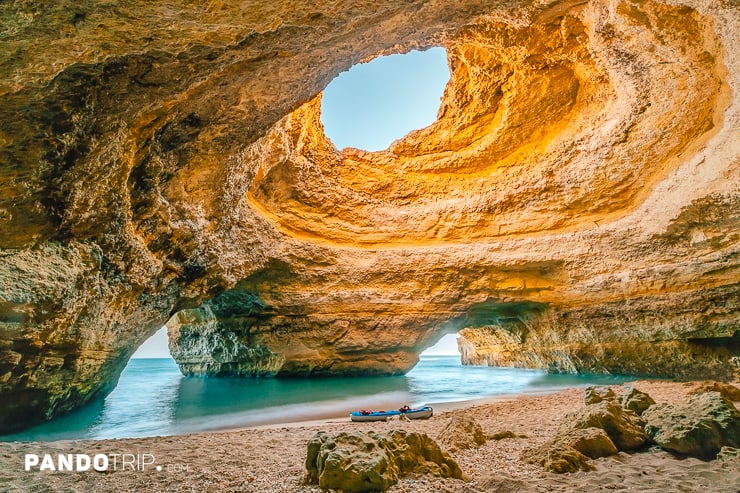
The Algarve region is famous for its limestone caves and grottos carved into the towering cliffs along the coast. Among these, the Benagil Sea Cave stands out as the most beautiful. Formed through erosion of the limestone cliffs over millions of years, it is known for the Cathedral-like hole and lighting inside.
While beautiful in photographs, especially the iconic shot directly underneath the ceiling “eye,” the reality of the crowded experience is not as serene. The number of visitors to the relatively small cave has increased exponentially in recent years, making it nearly impossible to fully appreciate its distinctive geology and natural light show. Benagil, unfortunately, has become a victim of its own popularity.
In response to its growing popularity and to ensure safety and manage environmental impacts, local authorities imposed restrictions on visitors in September 2023. The only way to currently access the cave is by boat, as access by kayak, swimming, bodyboards and stand-up paddleboards is no longer allowed. However, even boat tours don’t allow disembarking inside the cave itself. Passengers typically spend only a few minutes inside before having to leave for other boats.
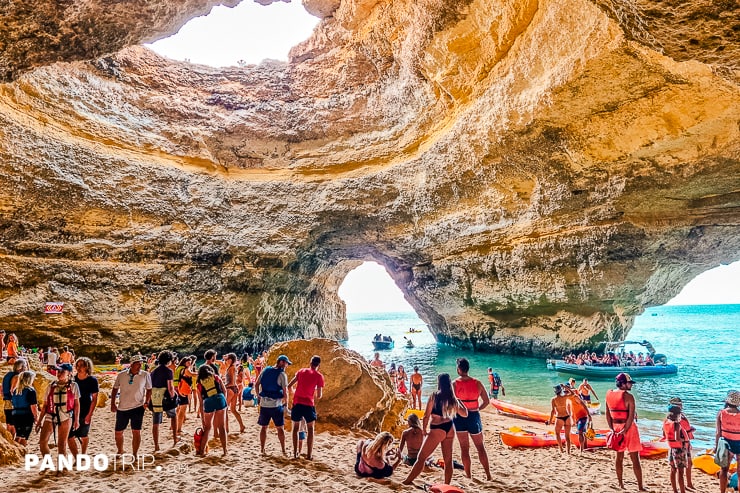
While Benagil’s spell may be broken by the bitter realities of Instagram fame, perhaps some solace lies ahead. If visitor limits are sustained, the cave may regain some of its lost serenity. For now, manage expectations before joining the queue, but the coastal scenery surrounding Benagil yet retains its wonder.
13. Covão dos Conchos, Serra da Estrela
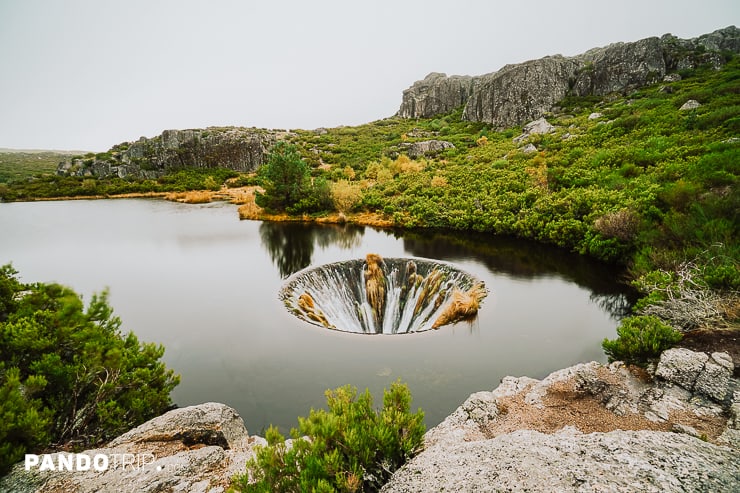
Covão dos Conchos is an artificial lake located in the Serra da Estrela mountains of Portugal. It is most famous for its bell-mouth spillway – a large concrete funnel structure that looks like a portal to another world.
The spillway was constructed in 1955 as part of a hydroelectric dam project. Over 60 years, vegetation has grown around the structure, making it seem more natural and mystical.
Reaching the lake involves an easy hike. The area also offers views of Torre Peak, the highest point in mainland Portugal. While the summit trek proves more grueling, it’s achievable for fit hikers. Visiting both sights in one day is possible for those up for the challenge.
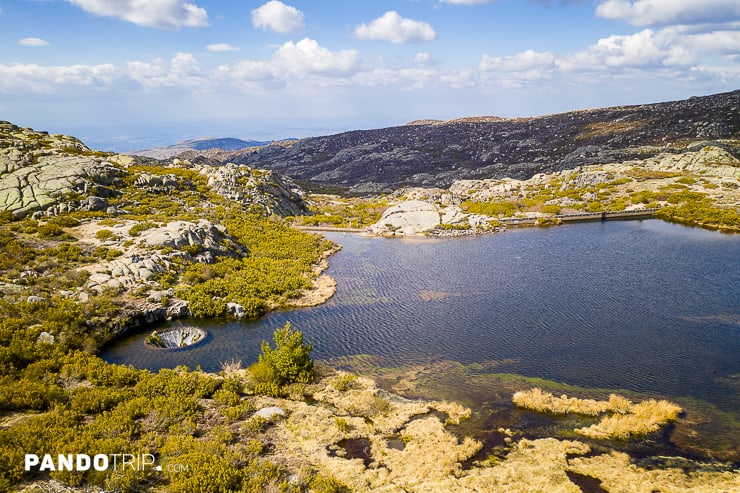
However, it’s important to note Covão dos Conchos lies far from any big city. Getting there necessitates a true commitment to rugged hiking and appreciating nature in its rawest form. The remote locale and physical journey involved won’t appeal to everyone. But for outdoor enthusiasts intrigued by the fusion of natural splendor and human engineering, a visit could prove profoundly rewarding.
14. Nazaré village, Leiria
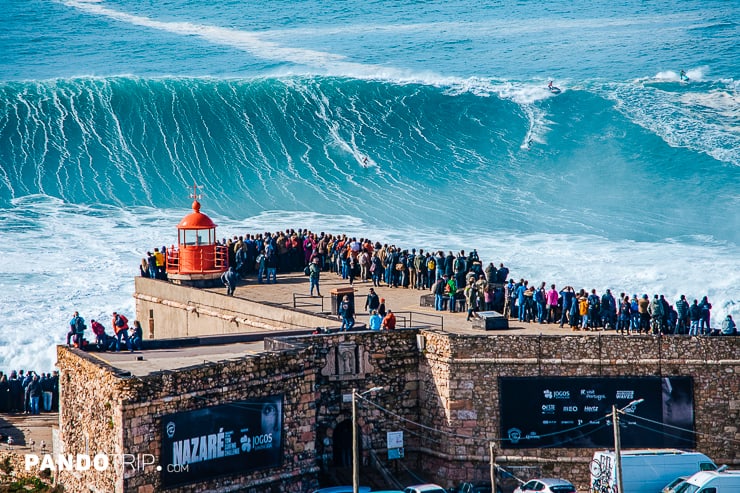
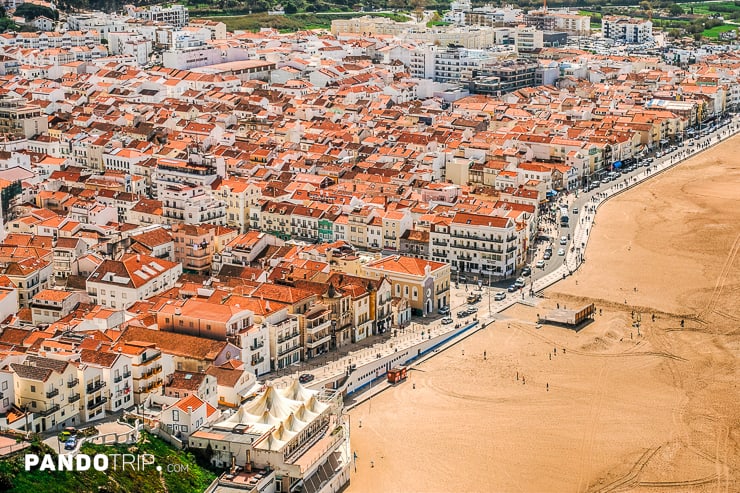
With its picturesque beaches and quaint seaside charm, Nazaré lures many travelers. Yet this small fishing village turned surfing mecca is famed most for its colossal winter waves that can swell over 30 meters (100 feet) high. From the iconic red lighthouse viewpoint, you can witness daredevils challenging these stunning giants.
Listed in the Guinness Book of Records for the biggest waves ever surfed, Nazaré’s waves peak during the October to March big wave season. The World Surf League holds the prestigious Tudor Nazaré Big Wave Challenge competition within this period, choosing the exact date based on optimal surf conditions. If conditions appear favorable, an alert issues 72 hours before the potential event.
Yet expectations of constant giant wave action often leave visitors disappointed if no record-breakers emerge. Outside the peak October through March storm season, Nazaré’s waves appear less monumental than advertised. And even during prime months, specific conditions like canyon depth, winds, and swell direction must perfectly align to produce the towering walls of water that attract global attention. To reliably see the famous waves, plan to stay at least two-three weeks during the prime season.
Crowding poses another issue on big winter wave days. Finding a good cliffside viewing spot can prove extremely difficult given the massive crowds, sometimes swelling to 20,000 spectators. Because of the town’s popularity, accommodation, food, and other prices also spike.
Yet there’s a reason Nazaré’s elusive giant waves still mesmerize despite their rarity. In those fleeting moments when conditions align, their sheer power and strange beauty transfix us. So it seems sensible that this once humble fishing village now stakes its livelihood on surfing’s ultimate trophy – the hundred-foot beast from the deep.
15. Livraria Lello, Porto

The Livraria Lello bookstore in Porto is often called one of the most beautiful bookstores in the world, and with good reason. Its neo-Gothic facade and opulent woodwork interiors make for striking photos frequently seen on Instagram.
Many also know Livraria Lello as the supposed inspiration for J.K. Rowling’s Hogwarts in the Harry Potter series. It’s believed Rowling visited when she lived in Porto from 1991-1993. However, in 2020, J.K. Rowling tweeted (or “xeeted” now) that she never visited Livraria Lello while living in Porto and that it has nothing to do with Hogwarts.

Nonetheless, Livraria Lello remains a huge tourist draw for Potter fans. As a result, expect dense crowds jockeying for photos, especially on the famous crimson spiral staircase. In 2015, the store implemented an entrance fee simply to manage the excessive visitors.
In truth, for those looking to simply browse books, go elsewhere; this location has sadly become overrun by its own popularity. But for travelers primarily seeking beautiful interior spaces, Livraria Lello still delivers visual splendor, albeit alongside dense tourist crowds. Just don’t expect a particularly relaxing bookstore visit.
16. Óbidos Village, Leiria
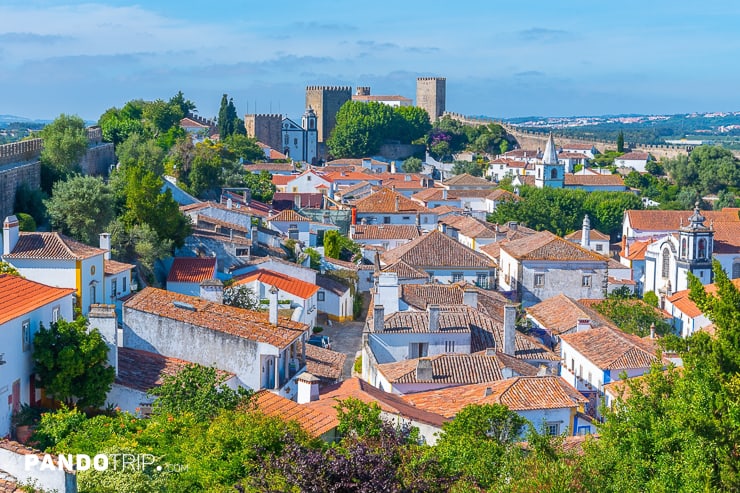
A bit more than an hour north of Lisbon rests the postcard-perfect Óbidos Village. Enclosed within a nearly intact medieval wall dotted with lookout towers and entry gates, this village transports visitors back in time with its cobbled lanes and whitewashed houses adorned with bursts of bougainvillea and azulejo tiles.
At the highest point sits Óbidos Castle, the main highlight and most iconic landmark. Guests can wander the castle grounds and enjoy panoramic views over red-tiled rooftops and rolling hills from the outer walls. The castle once served as a royal palace and today sections where the Portuguese king slept have been converted into a luxurious hotel set within the historic walls.
Wandering the quaint streets, you’ll notice shop windows proudly displaying ginja, a sweet cherry liqueur native to the region, often served in chocolate cups. If you happen to visit in the spring, you might catch Óbidos’ annual two-week Chocolate Festival held each March. Where chocolatiers from all over Portugal flock here to showcase their confections.
The surrounding region also has much to offer. Just a short drive away lies the tranquil Lagoa de Óbidos dotted with colorful fishing boats. For some beach time, head to the nearby surf town of Peniche and seaside village of Baleal, which sits on a pint-sized peninsula with gorgeous beaches on both sides. From Peniche, you can also take boat trips out to the Berlengas Islands, another place on our list.
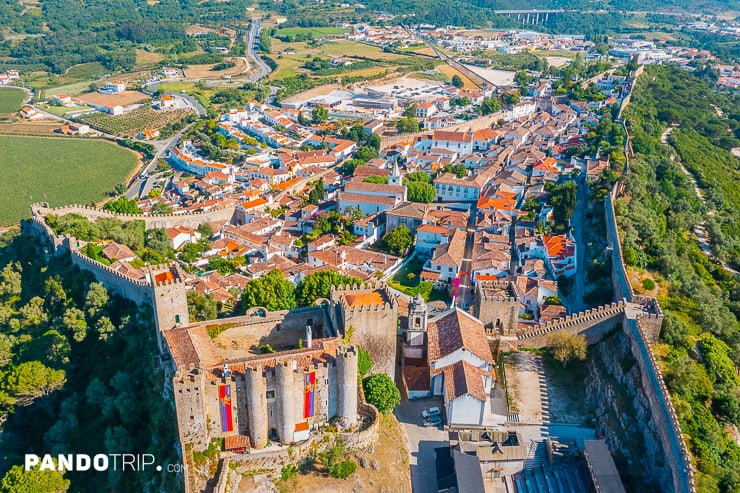
On paper, Óbidos seems to check all the picture-perfect Portuguese village boxes. But reality is a bit different. Of course, you may feel authenticity in the early morning or late evening, but in midday when the tour buses roll in, the charm bracelet shatters and Óbidos turns into a human traffic jam. It can be quite hard to feel that authenticity due to the high number of visitors and tourist-oriented shops and activities.
17. Berlenga Grande, Berlengas Islands
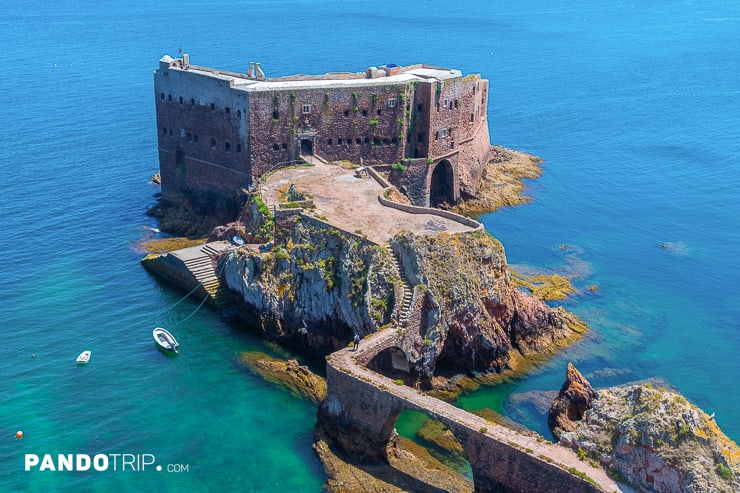
The Berlengas Islands, located about 10 kilometers off the coast from Peniche, are known for their dramatic natural beauty and abundant wildlife. Though the archipelago has several islands, only the largest—Berlenga Grande—allows visitors to step foot on its shore. To preserve its fragile ecosystem, visiting is allowed only from March through October, with a 550 daily visitor cap.
Berlenga Grande captivates with its rocky cliffs, grottos, and hidden coves surrounding small beaches. The most famous beach on the island, though tiny, is Carreiro do Mosteiro, which offers crystal clear waters. The peaceful island trails winding through Berlenga Grande give way to diverse seabird colonies in spring and summer. You can also partake in snorkeling, canoeing and other water sports.
The island’s main highlight is the 16th-century Fort of São João Baptista, constructed to defend the coast from pirate raids. Throughout its history, the fort played a vital role in multiple conflicts, including the Portuguese Restoration War and the Liberal Wars. Today the Fort of São João Baptista is one of the most scenic forts in Portugal, offering breathtaking views of the Atlantic.
Reaching Berlenga Grande requires some logistical effort. You can either take a 25-minute speedboat or opt for a more stable open-air ferry, both departing from Peniche. Due to the daily visitor cap, booking tickets well in advance is essential. Contact local tour operators, listed online, before arriving.
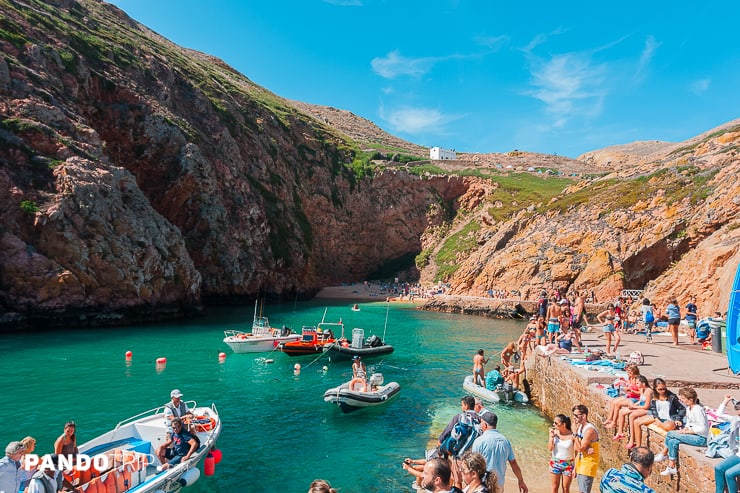
Overnight accommodation choices are extremely limited, with only two hotels and a camping area on the island. Peniche offers more lodging options as an alternative base. Note that you must bring all your own food and water since there is only one restaurant and one small store on Berlenga Grande. Both are not always open and prices are higher compared to the mainland.
In the end, the Berlengas offer one of Portugal’s most striking natural island settings, if you moderate expectations for amenities and secure spots early. Crowds do swell in high season but you can still find peaceful trails and coves with some effort. Just prepare for the island’s limits on visitors and resources.
18. Piódão village, Serra do Açor mountain range
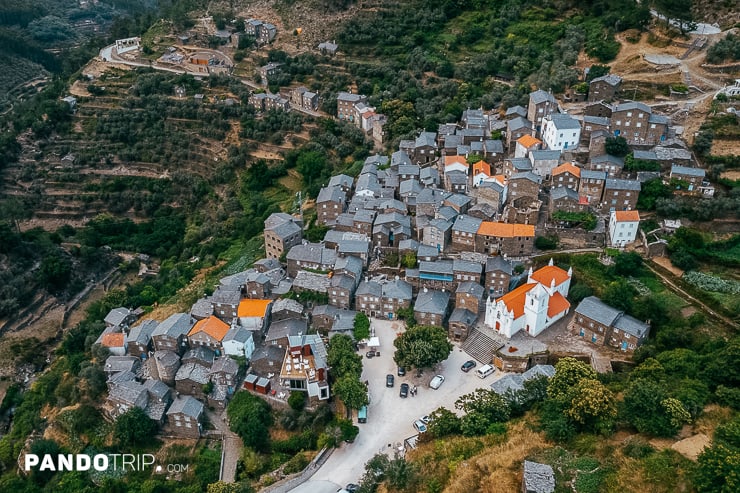
Tucked away in a remote valley of the Serra do Açor mountains, Piódão presents a striking vision unlike anywhere else in Portugal. Unlike the country’s whitewashed villages, Piódão’s dark schist stone architecture lends the village an ancient, mystical air.
Initially, we debated whether Piódão warranted inclusion among Portugal’s best destinations. Its isolated location kept it absent from the grand historical narratives of the nation. Only recently has Piódão stepped into the spotlight, mainly for its cinematically photogenic stone houses and dramatic valley setting.
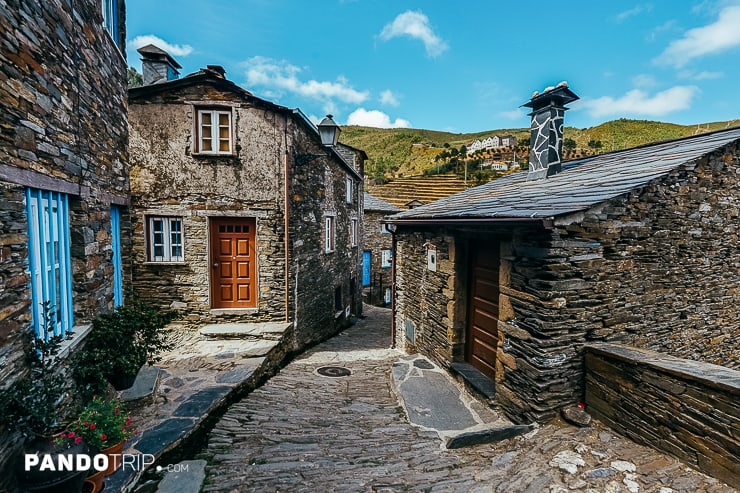
Wandering the narrow lanes, one cannot help but be awed contemplating generations of villagers who carved out lives amid these same schist walls and granite footsteps. Though isolated, forgotten by time and untouched by progress, Piódão endured through faith, fortitude and communal bonds.
Reaching Piódão requires effort, given its tucked-away location. You’ll need a car to traverse the winding mountain roads. The remote setting means it’s not ideal for those seeking a quick, convenient side trip. However, for travelers keen to venture off the beaten track, Piódão offers an authentic glimpse into Portugal’s past. Beyond the Instagram-famous views, Piódão is an exceptionally well-preserved schist village, which represents remarkable historical continuity and the resilience of traditional ways of life.


Comments (1)